
The Beginner’s Step-by-Step Guide to Ghost Hunting
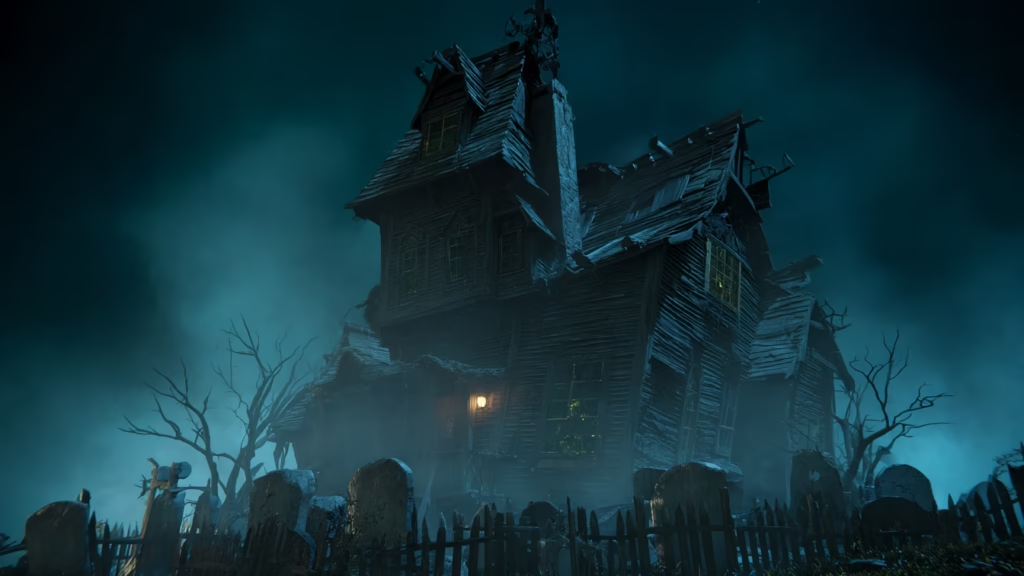
So, you’re ready to step into the world of paranormal investigation? The idea of capturing an Electronic Voice Phenomenon (EVP) or witnessing a full-body apparition is thrilling. However, successful and safe ghost hunting requires preparation, the right tools, and a structured approach.
This comprehensive guide will walk you through the essential steps, from finding a location to documenting your evidence and staying protected. Here’s the beginner ghost hunting guide, step by step.
Step 1: Finding Your Haunted Location (Where to Look)
You don’t need to trespass on a legendary abandoned asylum to start. Many successful investigations happen in accessible, localized areas.
- Local History: Start with places in your city or state known for tragedy or historical activity. Libraries, historical societies, and local online forums are great starting points.
– Target Keyword Integration: Look for “local paranormal activity near me” or “historically haunted places in [Your State]”.
- Private Residences: Many people experience activity in their own homes. Offering your services to a friend or neighbor is a low-risk way to practice.
- Reputation Check: Research the location’s background. Is the haunting a genuine historical claim or a local legend created for tourism? Aim for places with consistent, repeatable stories.
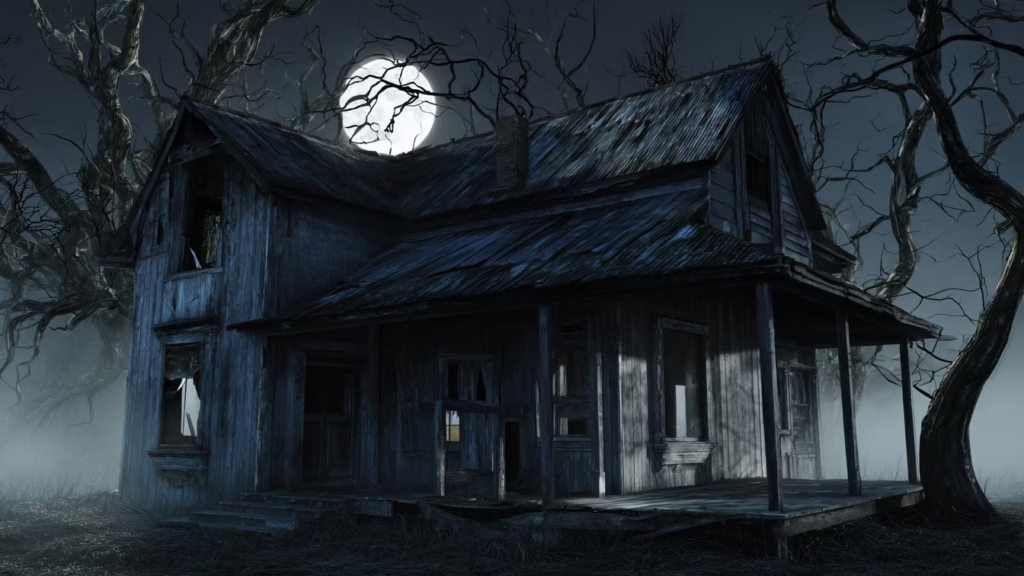
You don’t need to break the bank, but a few key pieces of equipment are essential for capturing credible evidence. Focus on devices that monitor environmental changes and record potential anomalies.
| Equipment | Purpose in an Investigation | Beginner Tip |
|---|---|---|
| 1. EMF Meter (K2 Meter) | Measures electromagnetic field fluctuations. Anomalous spikes can indicate energy shifts linked to paranormal activity. | The K2 Meter is affordable and iconic in the US community. |
| 2. Digital Voice Recorder | Essential for capturing EVPs (Electronic Voice Phenomena); sounds or voices not heard at the time of recording. | Use a high-quality external mic to minimize background noise interference. |
| 3. Night Vision Camera | Records visual activity in total darkness. Needed to confirm what you may hear or sense. | Use a camera with infrared (IR) illumination for clear, dark footage. |
| 4. Thermometer / FLIR Device | Detects sudden and localized “cold spots” or “hot spots,” which are often cited as signs of energy drain by an entity. | A simple laser thermometer is cheap and effective for checking spot temperatures. |
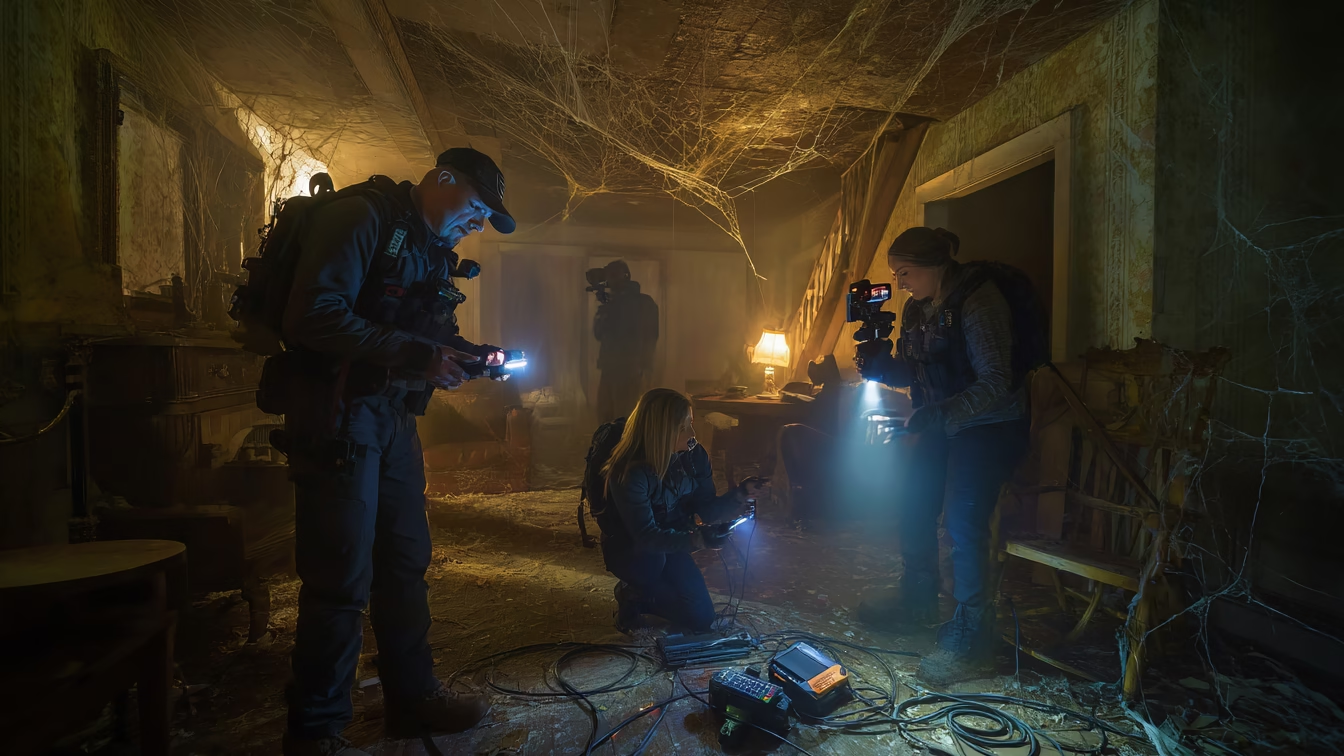
Step 3: Protecting Yourself and Your Team
Safety is paramount, both physically and spiritually. Paranormal investigations carry risks, and mental preparedness is crucial. Stay safe with the beginner ghost hunting guide .
Physical and Spiritual Safety Protocols :
- Never Go Alone: Always investigate with at least one partner. This ensures safety and provides an objective witness.
- Documentation: Always get written permission before entering any private property. Trespassing ruins reputations and can lead to legal issues.
- Establish Boundaries: Before entering a location, state your intentions aloud: you are there to investigate, not to antagonize or invite anything to follow you home.
- Cleansing Ritual (Optional): Many investigators use personal methods (smudging, prayers, or protective talismans) to feel spiritually secure after an intense session. Do what makes you comfortable.
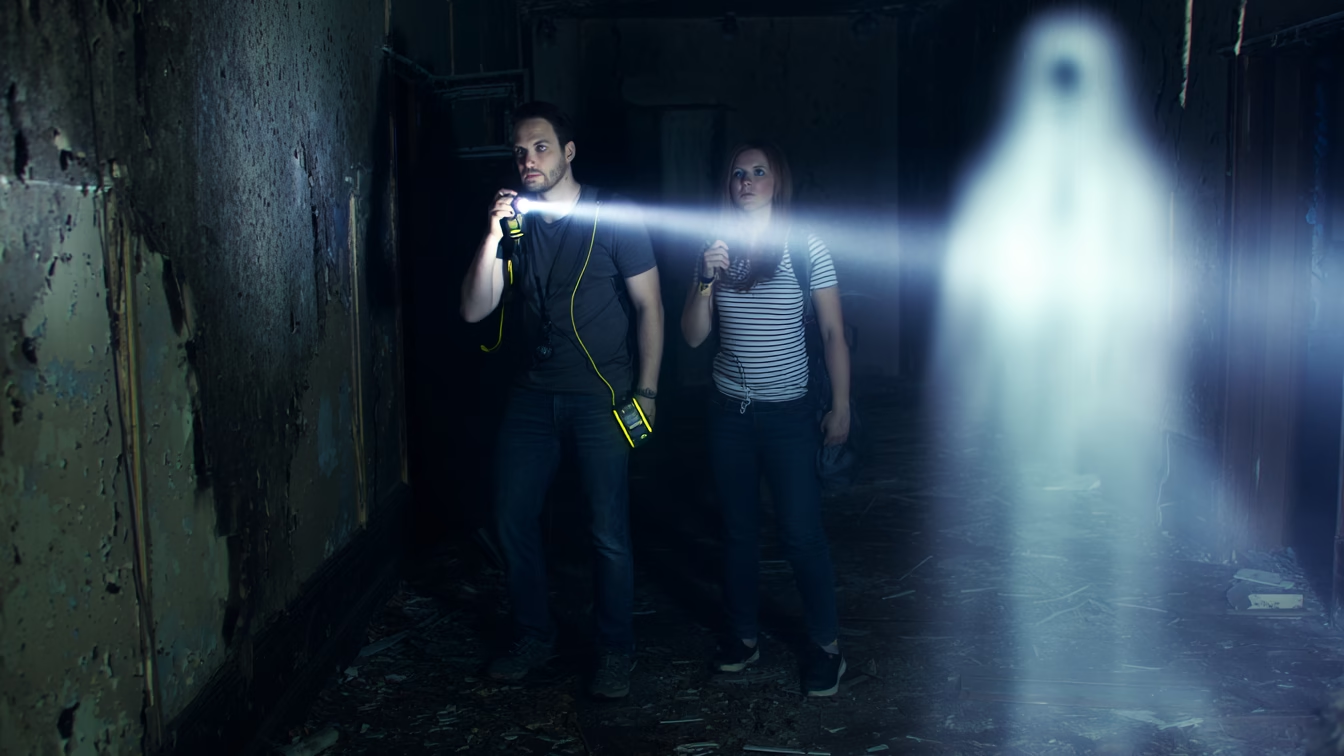
Step 4: Communication Techniques (How to Connect)
Effective communication requires patience and a structured approach. You are attempting to interact with a potentially intelligent entity.
1. Conducting an EVP Session
- Preparation: Place the recorder and cameras down. State the date, time, and location clearly.
- Ask Questions: Ask direct, open-ended questions. Pause for 30–60 seconds between each question to allow time for a response.
- Examples: “What is your name?” “Why do you remain here?” “Can you touch the device in front of you?”
- Examples: “What is your name?” “Why do you remain here?” “Can you touch the device in front of you?”
- Encouragement: Speak calmly and respectfully. A hostile tone often yields no results.
2. Utilizing the Spirit Box
- The Spirit Box scans through radio frequencies, theoretically allowing entities to manipulate the white noise into audible words.
- Warning: Spirit Boxes are controversial. Record all sessions and listen back carefully to distinguish actual words from random static.
Step 5: Evidence Review and Documentation
The investigation isn’t over when you leave the location. The most crucial part is reviewing the captured data.
- Listen Critically: Use headphones to review your EVP recordings. Listen for faint whispers, sounds, or words. Note the exact timestamp of anything unusual.
- Debunking: Before proclaiming a discovery, actively try to debunk it. Was that sound a creaking floorboard? A car outside? Electrical interference? Skepticism leads to credibility.
- Archiving: Create a comprehensive log for every investigation: location, date, time, equipment used, and clear documentation of all findings (both negative and positive).
Ready to Start Your First Paranormal Investigation?
Following these five steps, from careful location scouting to rigorous evidence review, will significantly increase your chances of a successful and safe ghost hunt. Share the beginner ghost hunting guide with your partners to make sure everyone is safe and ready for your hunt !
What’s your most terrifying true story? Share your experiences in the comments below! And be sure to check back next week as we dive deep into one of America’s Creepiest Urban Legends in our new Horror Files series!

4 Comments